
A shirt will not replace a marketing plan, but it can make employees easier to identify and create repeated exposure for the company. The most successful orders begin with the wearer, work conditions and quantity—not with a product catalog.
Make the team recognizable.
Coordinated apparel helps customers know who belongs on a job site, in a store or at an event. A clear chest or back print can communicate the company without making the garment feel like a crowded advertisement.
Use quantity efficiently.
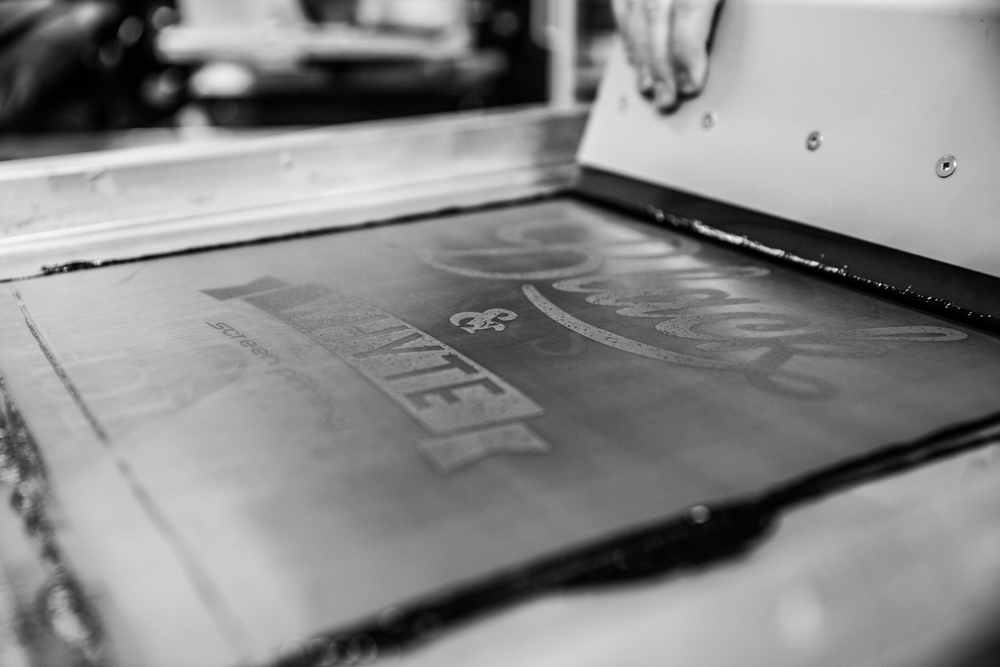
Screen printing requires artwork preparation, screens and press setup. Once that setup is complete, repeated pieces become more efficient. That is why screen printing usually makes more sense for groups than for one or two shirts.
Choose garments people will wear.
Fit, fabric weight, heat, movement and laundering influence whether a shirt stays in rotation. The cheapest blank is not automatically the best value if the crew avoids wearing it.
Design for the print location.
A left-chest logo, full back and sleeve each have different space and readability. Limit tiny details and use enough contrast between ink and garment color.